
17 Inspiring Photos Proving History Is Made By Ordinary People
We like to think that only those in power can shape the course of humanity. That us average folk have no say in a serious matter.
But one popular Instagram account is trying to prove the opposite. Called "Working Class History", it's making posts to show everyone that "history isn't made by kings or politicians, it is made by us: billions of ordinary people."
From protesters fighting for their beliefs to activists devoting their whole lives to a noble cause, continue scrolling for proof that every single good deed matters. No matter big or small, they all play a part in the grand scheme of things.
More info: workingclasshistory.com | Instagram | Facebook | Twitter
Click here & follow us for more lists, facts, and stories.
#1
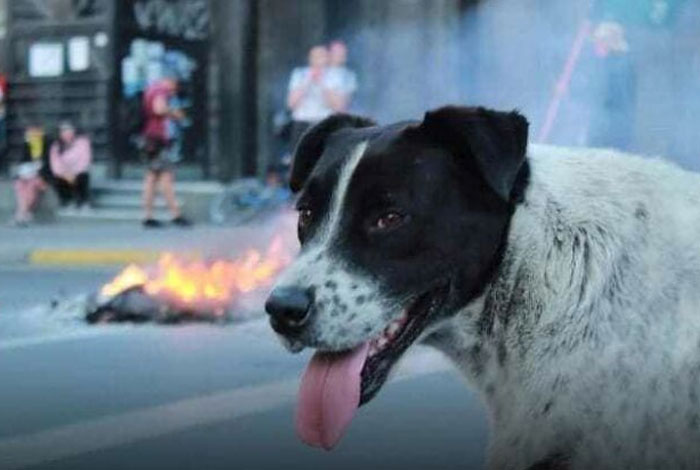
"On 2 January 2020, residents of Antofagasta, Chile, held a fake protest for a stray dog named El Vaquita in order to trick him to visiting a veterinarian. El Vaquita ("little male cow") is one of several famous street dogs in the country, who frequently join demonstrations and protests, and instinctively side with them during confrontations with the police. During one clash, El Vaquita was shot by police with a riot shotgun and injured by a pellet. He would not allow himself to be captured, and had repeatedly refused to be adopted, so no one could take him to the vet. So instead, local people organised a fake demonstration, which he then joined, which led him voluntarily to the vets where his injuries were treated. In 2019, in a poll by the local newspaper El Diario, he was voted "character of the year", surpassing all of the humans. We have posters and other items commemorating other protest dogs [black person] Matapacos and Loukanikos."
© Photo: workingclasshistory
We managed to get in touch with a representative of "Working Class History" and they agreed to have a little chat with us. "Back in 2014, we were thinking about ways we could help workers, communities, and activists organize better to improve their lives and conditions," they told Bored Panda.
"We could see that social media was a very powerful tool and tried to think about how we could use it to encourage people to get involved in collective action and help people organize. We knew that the key to social media was virality, so we came upon the idea of date anniversaries being a hook to grab people's interest. So we decided to research and write up a number of 'on this day in history' posts about social movements and struggles in the past, to help both inspire people organizing today and help people learn lessons from movements in the past."
#2
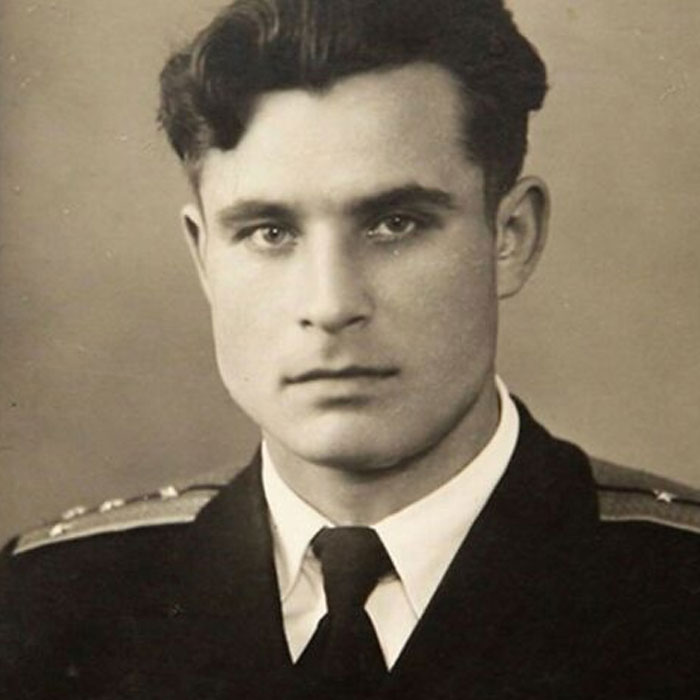
"On 27 October 1962, at the height of the Cuban Missile Crisis, second-in-command Vasili Arkhipov of the Soviet submarine B-59 refused to agree with his Captain's order to launch nuclear torpedos against US warships and setting off what might well have been a terminal superpower nuclear war. The US had been dropping depth charges near the submarine in an attempt to force it to surface, unaware it was carrying nuclear arms. The Soviet officers, who had lost radio contact with Moscow, concluded that World War III had begun, and two of the officers agreed to 'blast the warships out of the water'. Arkhipov refused to agree - unanimous consent of three officers was required - and thanks to him, we are here to post about it on the internet!"
© Photo: workingclasshistory
The team behind the account spends loads of time reading and researching various topics before sharing them with their fans. "Story ideas can come from anywhere: books, archives, old newspapers," the representative explained. "Some are also sent to us by our followers."
"We share all of our anniversaries each day on Twitter. But with Instagram and Facebook, we narrow it down to the 2 or 3 stories each day which we think are most likely to be popular, while also trying to keep the stories as diverse and varied as possible."
"Recently, some of our most popular content has included stories about resistance to fascism, indigenous resistance to colonialism, stray dogs joining protests in Chile and Greece, black liberation and anti-racist movements, and lots more."
In addition to their social media accounts, "Working Class History" also produces a podcast, so if you're interested in dissecting such events, give it a listen!
#3
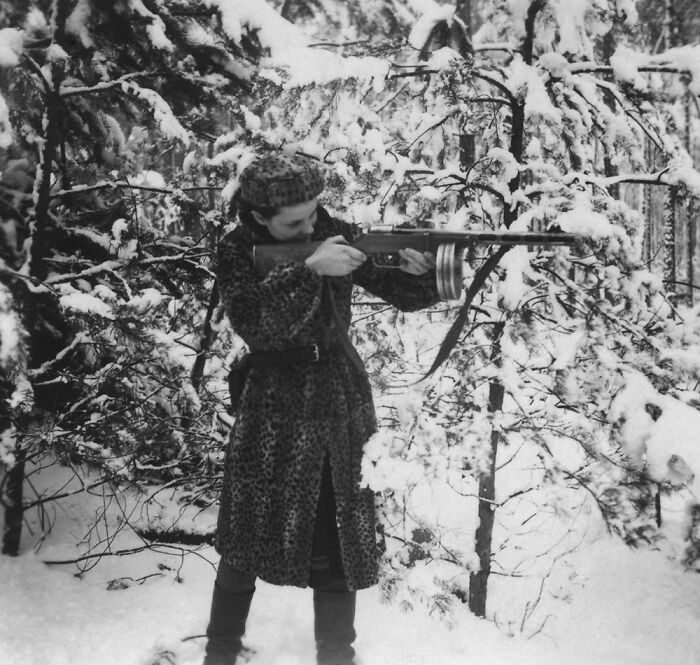
"On 28 November 1919, Faye Schulman, photographer and Jewish resistance partisan, was born in Lenin, Poland (now Belarus). In 1942, the Nazis murdered 1,850 Jews in the Lenin ghetto, leaving only Faye and 25 others alive, making Schulman take and develop photos of the massacre. Covertly she made copies of the photographs for herself. She soon fled and joined the partisan resistance, serving as a fighter and nurse. While on a raid in Lenin with her unit, Schulman managed to retrieve her camera equipment, and then began documenting the resistance movement, developing her photos under blankets. "I want people to know that there was resistance. Jews did not go like sheep to the slaughter. I was a photographer. I have pictures. I have proof." Schulman survived the war and moved to Canada, eventually passing away on April 24, 2021, aged 101."
© Photo: workingclasshistory
#4
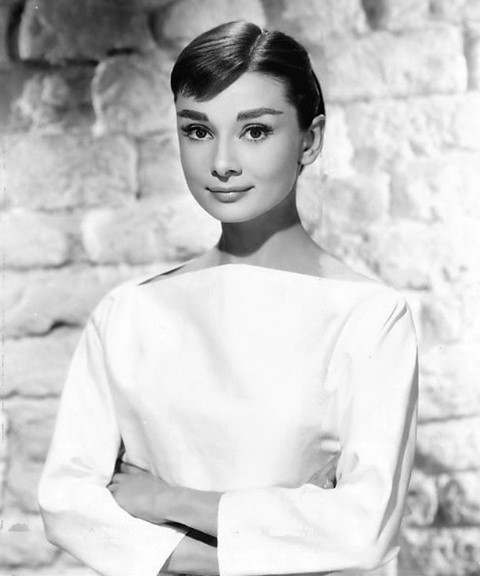
"On 4 May 1929, actor and member of the Dutch resistance Audrey Hepburn was born in Belgium. Her parents, a baroness and a banker, were both fascists who personally met with Hitler. After her father abandoned them, she and her mother moved to the Netherlands, and her mother's views changed when Nazis executed her brother, Otto van Limburg Stirum, in retaliation for resistance activities. As a child, Hepburn studied ballet, and began to perform recitals to fundraiser for the resistance. The performances were referred to as “zwarte avonden” ("black evenings") as organisers blacked out windows while they took place so they could not be observed from outside. Hepburn described how "Guards were posted outside" to warn of approaching Germans, and how audiences "made not a single sound at the end of [her] performance." Hepburn was part of the resistance cell of Dr. Hendrik Visser’t Hooft, which according to his daughters he proudly recalled to them. Hepburn would help deliver copies of his underground anti-fascist newspaper as a courier: “I stuffed them in my woolen socks in my wooden shoes, got on my bike and delivered them," she later recounted. As an English speaker, Hepburn also relayed messages between downed British pilots and the resistance, and according to her son her family sheltered a British pilot who had been shot down."
© Photo: workingclasshistory
#5
"On 14 October 1977, anti-gay crusader Anita Bryant was "pied" in the face by Tom Higgins, a gay rights activist. Bryant, who was already well-known as a singer, led Save Our Children, a homophobic campaigning group which successfully overturned legal protections for LGBT+ people in Dade County, Florida. Bryant had declared about homosexuality: "I will lead such a crusade to stop it as this country has not seen before." After being pied, Bryant burst into tears and began praying. Bryant was also brand ambassador for Florida orange juice, which then became subjected to a mass boycott campaign. Gay bars replaced screwdrivers (vodka and orange juice cocktails) with "Anita Bryants" – made with vodka and apple juice, with the profits donated to the campaign. Bryant's lucrative orange contract subsequently lapsed and her marriage failed, which caused her to be ostracised by some Christian fundamentalists who did not approve of her divorce. Later in life, Bryant's homophobic views softened, and she stated she was "more inclined to say live and let live". In 1998, Dade County reintroduced legal protections for LGBT+ people, and efforts by Christian groups to overturn them failed."
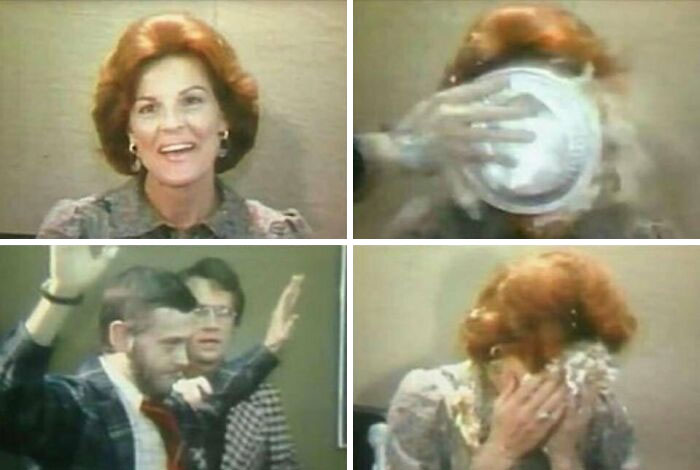
© Photo: workingclasshistory
#6
"On 15 August 1970, Black Panther Party co-founder Huey P Newton delivered a speech in New York City where he criticised the previous attitude of the party, and other left groups towards women and LGBT+ people. He criticised homophobia and sexism in revolutionary movements, commenting that "homosexuals… might be the most oppressed people in… society", and called on the left to desist using homophobic language to describe "enemies of the people" like president Richard Nixon. He argued that all radical events should include "full participation of the gay liberation movement and the women's liberation movement". The move came after the foundation of the Gay Liberation Front, which supported the Black liberation movement, and militantly raised issues such as homophobia within radical organisations."
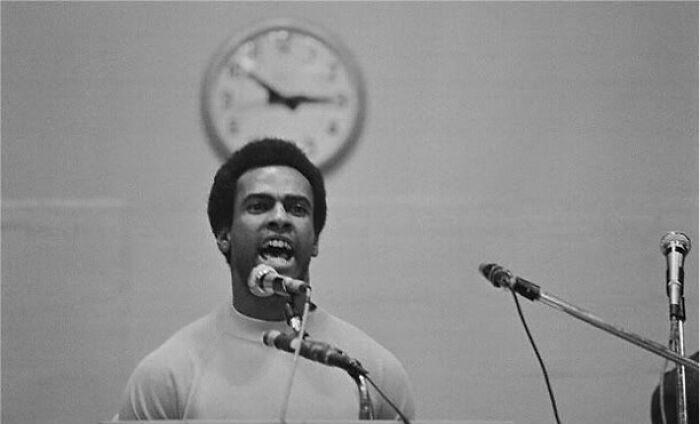
© Photo: workingclasshistory
#7
"On 11 February 1916, Lithuanian-born Jewish anarchist Emma Goldman was arrested in New York City for distributing information on birth control. She was technically charged with breaching the Comstock Act, which banned "obscene" material from the mail or from being transported across state lines. Goldman's arrest came as she was due to deliver a public lecture on family planning, which was a key concern for working class people. Radicals argued that family planning was essential for working class people to be able to have an acceptable standard of living, and believed that authorities opposed birth control so that there would be an oversupply of labour to keep down wages and fill the army. Emma Goldman decided to defend herself in court, and used the trial to generate large amounts of publicity for her message. She was eventually convicted, and rather than pay a $100 fine she chose to serve 15 days in prison."
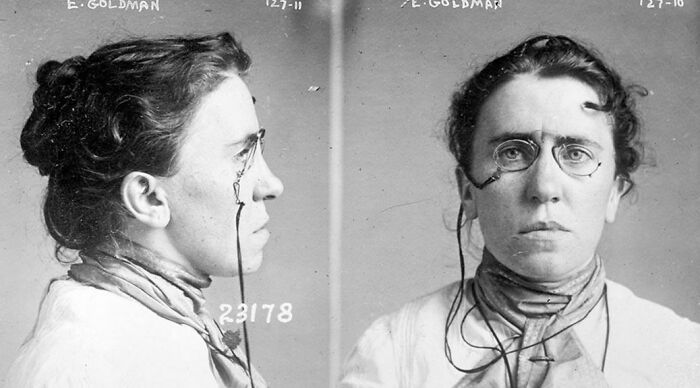
© Photo: workingclasshistory
#8
"On 19 August 1944, this photograph was taken in Paris of 18-year-old French Resistance fighter, Simone Segouin, also known under her nom de guerre Nicole Minet. She had come from Chartres to help liberate the capital. Segouin's first mission with the resistance was to steal a bicycle from the German military. It was then repainted, and then used for resistance activities. For example on one occasion she was transporting weapons by bike from Chartres to Dreux. She was stopped by German soldiers, but then managed to escape after bombardment by British soldiers distracted the Germans. At the time of writing (August 2021), Segouin, aged 95, lives in Courville-sur-Eure, where a street has been named after her."
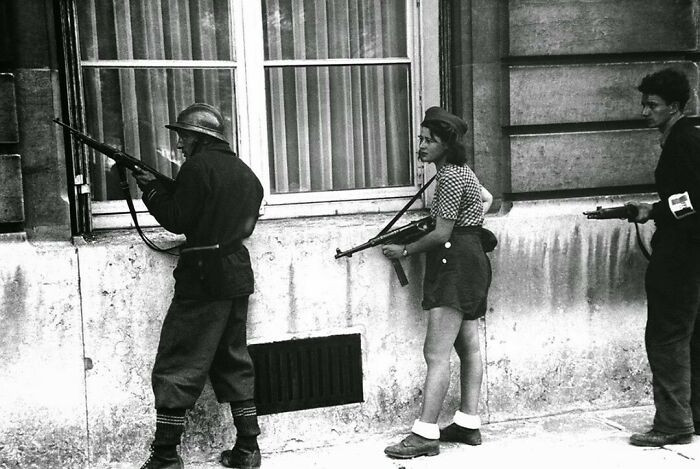
© Photo: workingclasshistory
#9
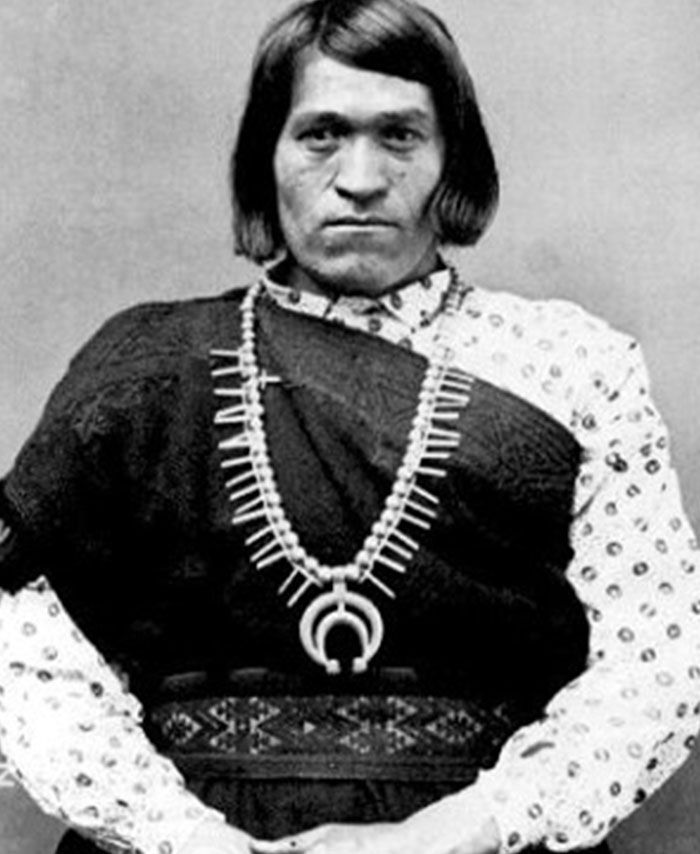
"On 4 August 1990, the term "Two-Spirit", for Indigenous people "who embody diverse (or non-normative) sexualities, genders, gender roles, and/or gender expressions", was adopted at the 3rd Annual Gathering of Native American Gays and Lesbians being held near Beausejour, Manitoba, Canada. Teacher, counselor, administrator, mentor and elder, Dr. Myra Laramee (First Nations Cree) brought the term to a sharing circle of 80 Indigenous LGBT+ people from across North America at the 1990 Gathering, and it was quickly adopted. As Harlan Pruden, the managing editor of the Two-Spirit Journal, put it: "[Two-Spirit evokes] the time before the harshness of colonisation where many, not all, First Peoples had traditions and ways that were non-binary, where some Nations had 3, 4, 5, 6, or even 7+ different genders and these genders were not only accepted and honoured but also had distinct roles within their respective Nations. Today, we would generally refer to these individuals as Two-Spirit.” Pictured: Two-spirit Zuni princess We’wha, New Mexico, c1886."
© Photo: workingclasshistory
#10
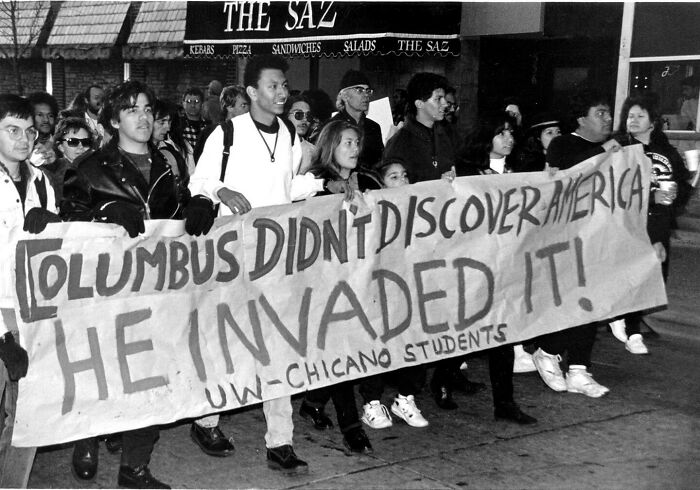
"The second Monday of October, is a holiday, but one which is hotly disputed. To some, it is Columbus Day, celebrating the anniversary of the arrival of Christopher Columbus in the Americas. But to others, especially Native Americans, it is Indigenous Peoples' Day – celebrating the people who lived in the Americas for centuries beforehand (content note: genocide). Rather than "discover" America, as is the popular myth, Columbus merely arrived in what is now the Bahamas, and began over five centuries of genocide against the Indigenous inhabitants. As soon as Columbus landed, he and his crew began enslaving, murdering, torturing and [forced intimacy] the Taíno people who lived there. Travelling to Haiti, Columbus then began forcing the Indigenous people to mine gold, and chopping off the hands of any who did not collect enough. But it was an impossible task as there was almost no gold in the area. In just two years, half of the 250,000 Taínos on Haiti had died: either by [end] or suicide in desperation. Within just a few decades, only 500 remained. However, Indigenous people in the Caribbean and elsewhere did resist both Columbus and the other colonisers who came subsequently, and continue to do so today. Indigenous Peoples' Day celebrates this resistance, and was first proposed in 1977. South Dakota became the first US state to celebrate it in 1990, and every year more states, cities and institutions make the switch from Columbus Day to Indigenous Peoples' Day. Due to continued pressure from Indigenous resistance, in 2021 the US federal government acknowledged Indigenous Peoples' Day for the first time, although at the same time they still officially celebrate Columbus Day as well."
© Photo: workingclasshistory
#11
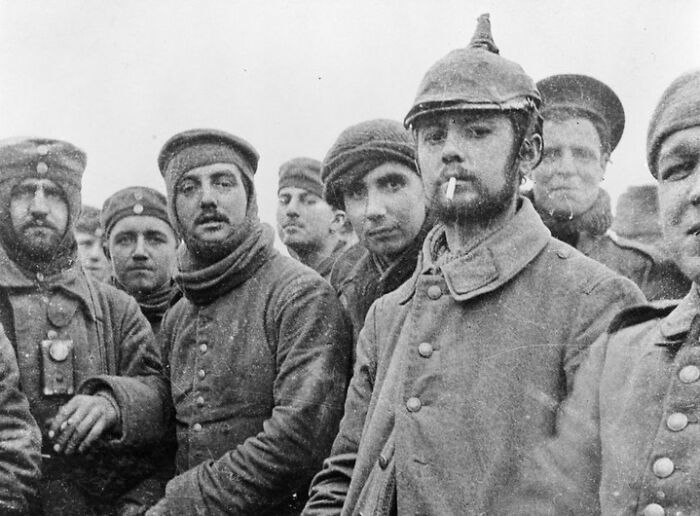
"On 25 December 1914, 100,000 troops on the Western Front during World War I held an unofficial truce where they refused to fight one another. German troops began singing "Silent Night" in German, French and English, along with other Christmas carols. They decorated the trenches with Christmas trees, lit candles and hung multilingual banners wishing opposing armies "Merry Christmas". Across much of the front artillery fell silent, British troops joined in the carol singing and both sides began to shout Christmas greetings at one another. On Christmas Day, soldiers began to climb out of the trenches to fraternise with the other side, bring back bodies from no man's land and exchange gifts like tobacco, chocolate and alcohol. In several areas there are first-hand accounts of often-improvised football matches being played. The truce covered about 100,000 men, almost entirely on the Western front however there was also a small truce along part of the Eastern front between Austrian and Russian troops. Fighting continued in some areas. Henry Williamson, a British private, wrote to his mother on December 26: "In [my] pipe is tobacco. Of course, you say. But wait. In the pipe is German tobacco. Haha, you say, from a prisoner or found in a captured trench. Oh dear, no! From a German soldier. Yes a live German soldier from his own trench. Yesterday the British & Germans met & shook hands in the Ground between the trenches, & exchanged souvenirs, & shook hands. Yes, all day Xmas day, & as I write. Marvellous, isn't it?" British authorities were extremely angered by the mutiny, and ordered that soldiers engaged in informal truces be court-martialed."
© Photo: workingclasshistory
#12
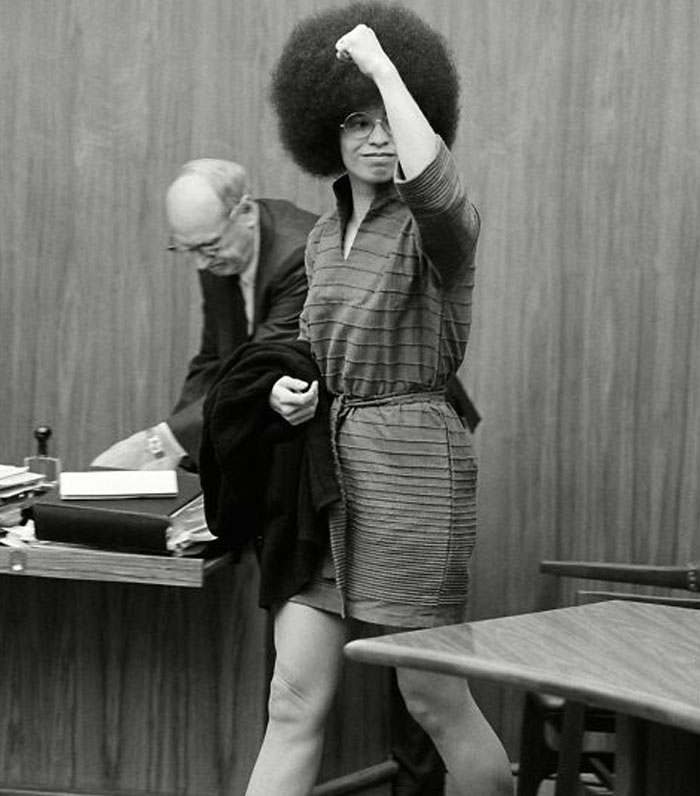
"On 28 February 1972, the trial of legendary Black communist Angela Davis for [end], kidnapping and conspiracy began in San Jose, California. The trial resulted from a courtroom shootout in 1970 in which four people were killed. Davis had purchased some of the firearms used in the incident. However, Davis herself was not present, and she declared herself innocent of all charges. By the time the trial had begun, nearly 300 groups had sprung up around the world supporting her and working for her freedom, and John Lennon and Yoko Ono contributed the song "Angela" to the campaign. Angela Davis had a team of experienced lawyers, but she delivered her opening defence address herself. The defence demolished the prosecution's case, and eventually on 4 June, the all-white jury came back with not-guilty verdicts on all charges."
© Photo: workingclasshistory
#13
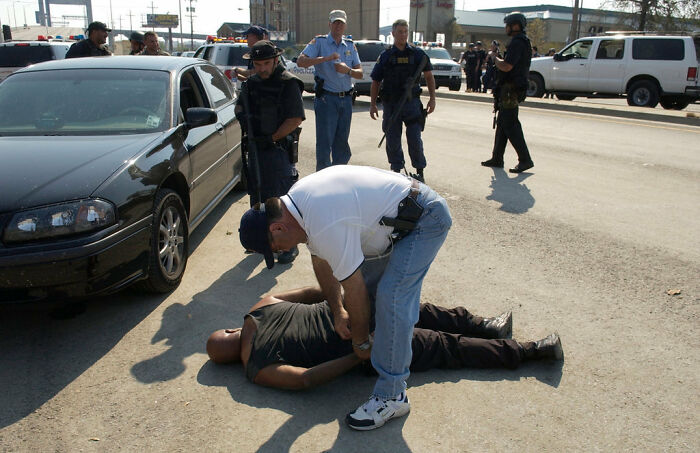
"On 4 September 2005, in the wake of hurricane Katrina the Danziger Bridge shootings took place, when several New Orleans police officers opened fire with assault weapons on an unarmed Black family. The Bartholomew family along with James Brissette, a 17-year-old friend, were on their way to a grocery store. Plainclothed police with machine guns then shot six of them, killing two and then stomping on one of the victims as he lay dying. Some of the victims were shot up to seven times and lost limbs. One man was shot five times in the back and a teenage girl was shot four times. Brissette and Ronald Madison were killed. The police then fabricated a story claiming they had been fired on by four suspects, an officer had been shot and had to return fire. They even arrested one of the survivors and charged him with eight counts of attempting to [end] police. The officer in charge of investigating the shootings helped fabricate evidence to support the shooters' lies. Guilty verdicts for the killers were handed down in 2011, six years after the crimes."
© Photo: workingclasshistory
#14
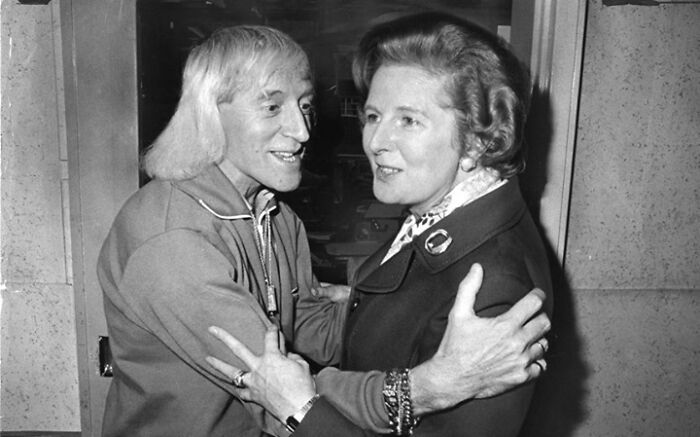
"On 8 April 2013, former Conservative prime minister Margaret Thatcher died. Street parties broke out across the UK, particularly in working class areas and in former mining communities which were ravaged by her policies. Her legacy is best remembered for her destruction of the British workers' movement, after the defeat of the miners' strike of 1984-5. This enabled the drastic increase of economic inequality and unemployment in the 1980s. Her government also slashed social housing, helping to create the situation today where it is unavailable for most people, and private property prices are mostly unaffordable for the young. Thatcher also complained that children were "being cheated of a sound start in life" by being taught that "they have an inalienable right to be gay", so she introduced the vicious section 28 law prohibiting teaching of homosexuality as acceptable. Abroad, Thatcher was a powerful advocate for racism, advising the Australian foreign minister to beware of Asians, else his country would "end up like Fiji, where the Indian migrants have taken over". She hosted apartheid South Africa's head of state, while denouncing the African National Congress as a "typical terrorist organisation". Chilean dictator general Augusto Pinochet, responsible for the [forced intimacy], [end] and torture of tens of thousands of people, was a close personal friend. Back in Britain, she protected numerous politicians accused of paedophilia including Sir Peter Hayman, and MPs Peter Morrison and Cyril Smith. She also lobbied for her friend, serial child abuser Jimmy Savile, to be knighted despite being warned about his behaviour. Margaret Thatcher was eventually forced to step down after the defeat of her hated poll tax by a mass non-payment campaign. Pictured: Jimmy Savile welcoming Thatcher to h**l, reportedly."
© Photo: workingclasshistory
#15
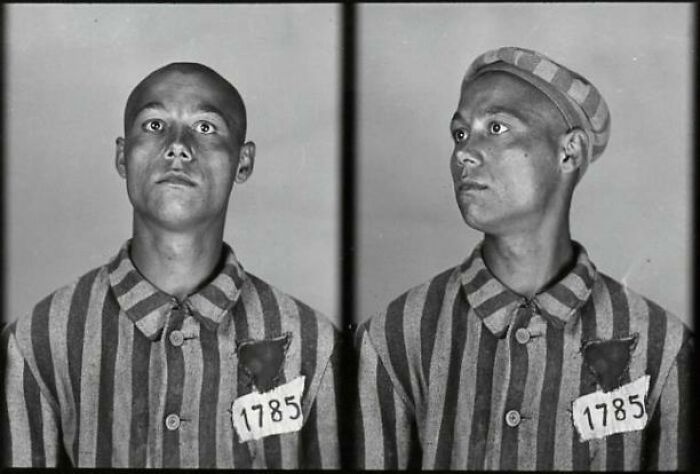
"On 2 August 1944, around 4,000 Roma people in the Auschwitz-Birkenau concentration camp resisted being taken to the gas chambers. The SS swarmed into the Roma camp, but prisoners had armed themselves with sticks and crowbars, and barricaded themselves indoors, fighting the Nazis with hands and nails. A non-Roma prisoner who survived described that everyone was fighting, and that "women [were] the fiercest in their fight" as they were "younger and stronger" than the other detainees and were "protecting their children". Eventually they were overcome, and all murdered in the gas chambers in Birkenau. Pictured: Rudolph Richter, a Roma prisoner in Auschwitz"
© Photo: workingclasshistory
#16
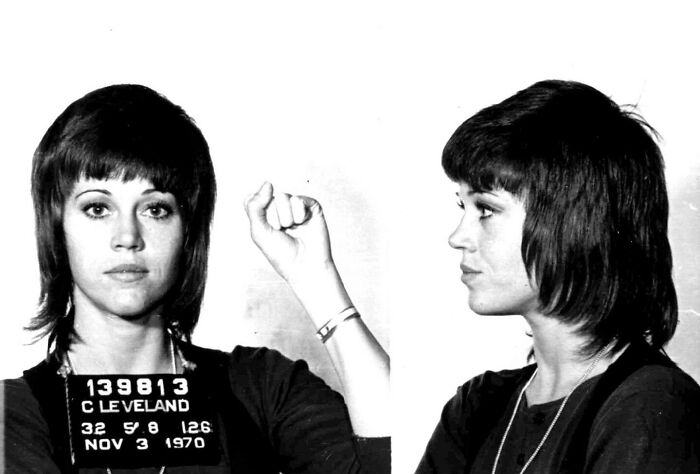
"On 2 November 1970, actor and Vietnam GI resistance supporter Jane Fonda was arrested at Cleveland airport as she returned from an event put on by Vietnam Veterans Against the War (VVAW) in Canada and charged with drug smuggling. The following day Fonda was also charged with supposedly kicking a police officer, when a more famous mugshot was taken as she raised her fist in defiance at the police. Both charges were bogus – the "drugs" were vitamin tablets – and they were both later dismissed. Although Fonda is clear that the intention was to discredit her due to her valuable support for the GI anti-war movement. In addition to being a patron of VVAW, Fonda was a leading organiser of and participant in the FTA ([darn] The Army) tour, and anti-war alternative to the USO shows to serving GIs."
© Photo: workingclasshistory
#17
"On 17 May 1966, Vassilis Palaiokostas, “the Greek Robin Hood,” was born in the mountain village of Moschofito, Greece. In the 1990s-2000s he became famous for robbing the rich and handing his takings to the poor — former comrade Kostas Samaras remembers “he and his brother Nikos would stop the car and hand robbery money to immigrants in the street.” Palaiokostas has been linked to some of the most audacious illegalism in Greek history, including the 1992 Kalambaka robbery (the country’s biggest ever bank heist) and pioneering bossnapping with the ransoms of notorious industrialists Alexander Haitoglou in 1995 and George Mylonas in 2008. He is even more famous however for his series of prison escapes which earned him a police nickname — The Uncatchable. The most extraordinary of these were in 2006 and 2009, when he escaped from Korydallos Prison not once but twice by helicopter, bringing him international renown. A folk hero among the working classes of his homeland, he is still free, still on the run, with a 1.4 million Euro bounty on his head."
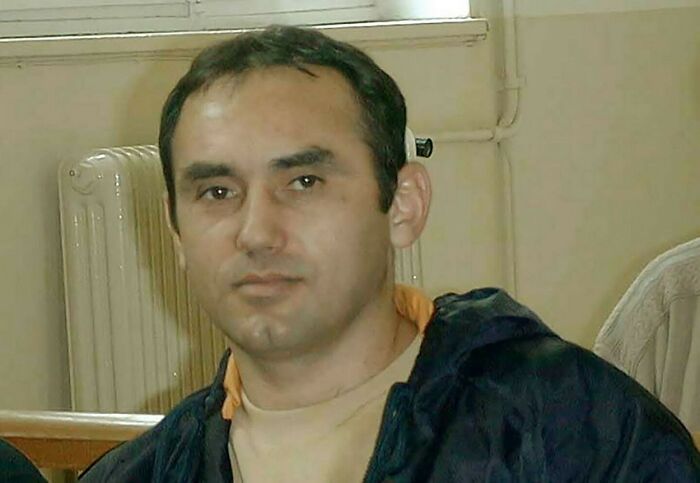
© Photo: workingclasshistory
You might also like: 40 smart inventions that failed because no one understood them
No comments